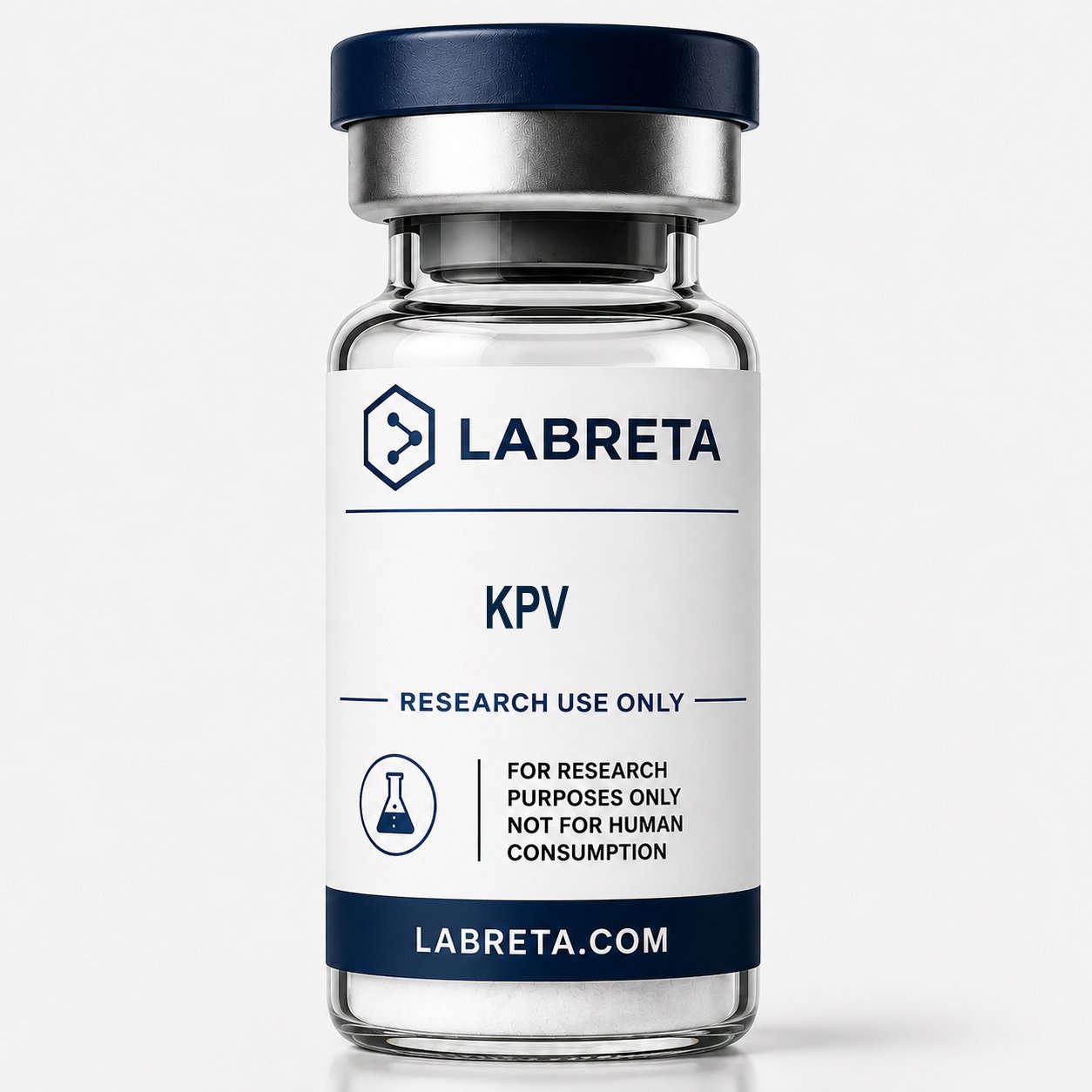
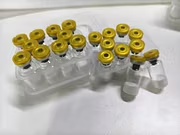
kpv peptide, KPV is a peptide with antibacterial activity. It can act on the cell membrane of bacteria and destroy the integrity of bacterial cell membranes.
KPV also plays an important role in the immune system. It can regulate the activity of immune cells, such as stimulating the phagocytic function of macrophages. Macrophages are like “scavengers” in the immune system, responsible for engulfing and removing pathogens and some abnormal cells in the body. KPV peptides can enhance the ability of macrophages to engulf pathogens, enabling them to better play an immune defense role. kpv peptide
KPV can also regulate the production of cytokines. Cytokines are a class of small molecule proteins that transmit information between immune cells. They play a key role in the initiation, amplification and regulation of immune responses. KPV can promote the production of some anti-inflammatory cytokines, help maintain the body’s immune balance, and avoid excessive inflammatory responses from causing damage to self-tissues.
KPV also has a positive effect on wound healing. It can attract some cells involved in wound repair, such as fibroblasts, to migrate to the wound site. Fibroblasts can produce extracellular matrix components such as collagen, which are very important for wound filling and tissue reconstruction. KPV provides a favorable cellular environment for wound healing by guiding the migration of fibroblasts, thus helping to accelerate the wound healing process. kpv peptide